CLIENT CASE: ABYSS & SKARSVAAG 1800
From 6 hours of transit to maximum operational time.
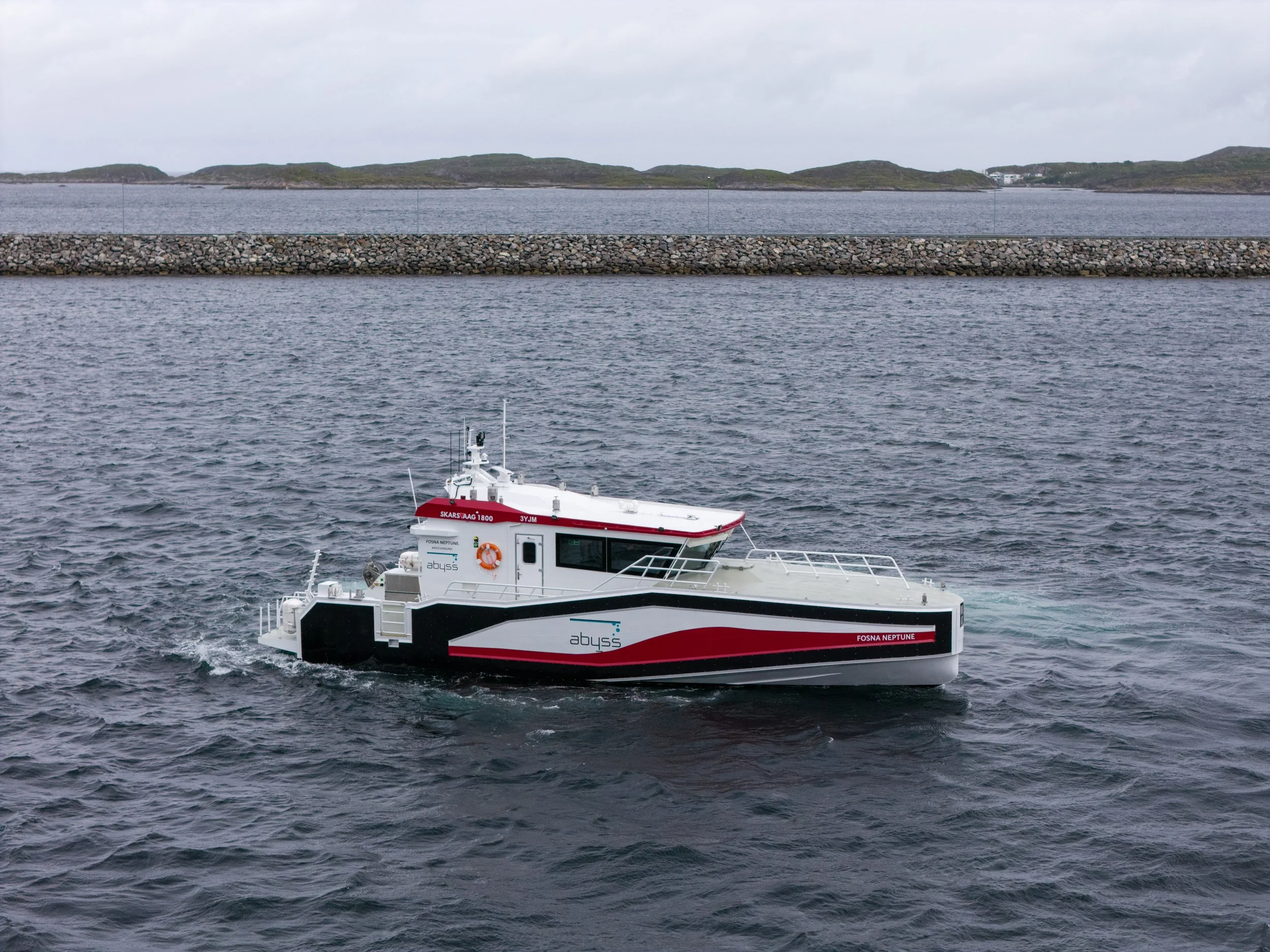
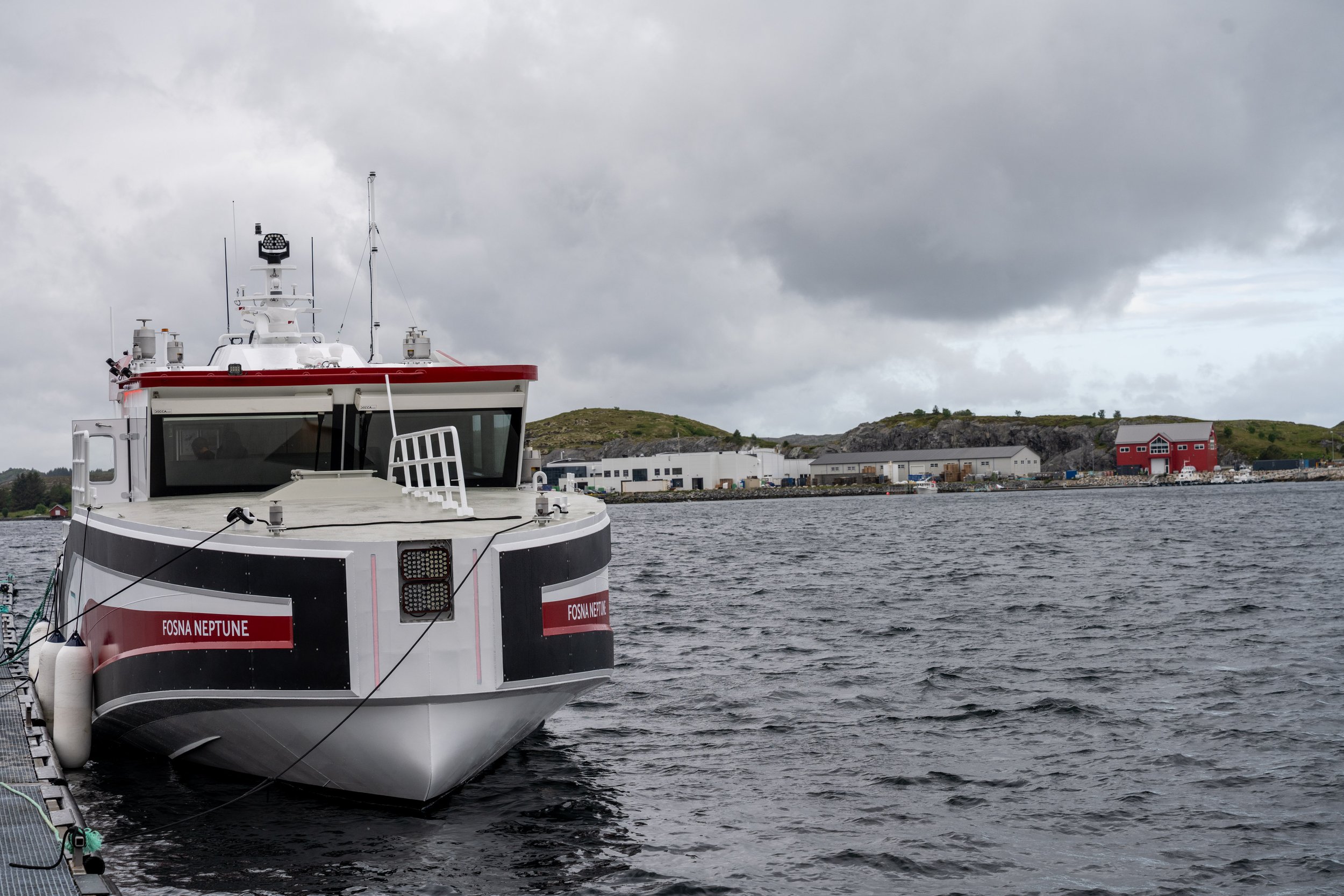
When the Abyss shipping company set out to develop a new vessel for demanding diving operations, the goal was crystal clear: The vessel had to eliminate unnecessary sea transit, shield the crew, and provide maximum operational uptime on site. The solution was the Skarsvaag 1800 – a custom-built 18-meter vessel combining uncompromising diving technology with first-class living quarters.
The Challenge: Long transits and lost efficiency
For an operational diving company, logistics can eat up valuable margins and crew capacity. On certain missions, crews previously spent up to three hours at sea before diving work could even begin – and another three hours on the return leg after the shift.
Six hours of daily transit means massive wear and tear on both the fuel budget and personnel. It drives up operational expenditure (OPEX) and places an unnecessary burden on skilled workers performing precision tasks underwater. Abyss needed a platform that could function as an independent base on site for days at a time.
The Solution: Skarsvaag 1800 – Built around the operation
In close collaboration between Abyss and Skarsvaag, the 1800 model was constructed from the ground up as a dedicated intervention platform. As the client noted, packing industrial power into an 18-meter hull without cramping the working space was a critical requirement.
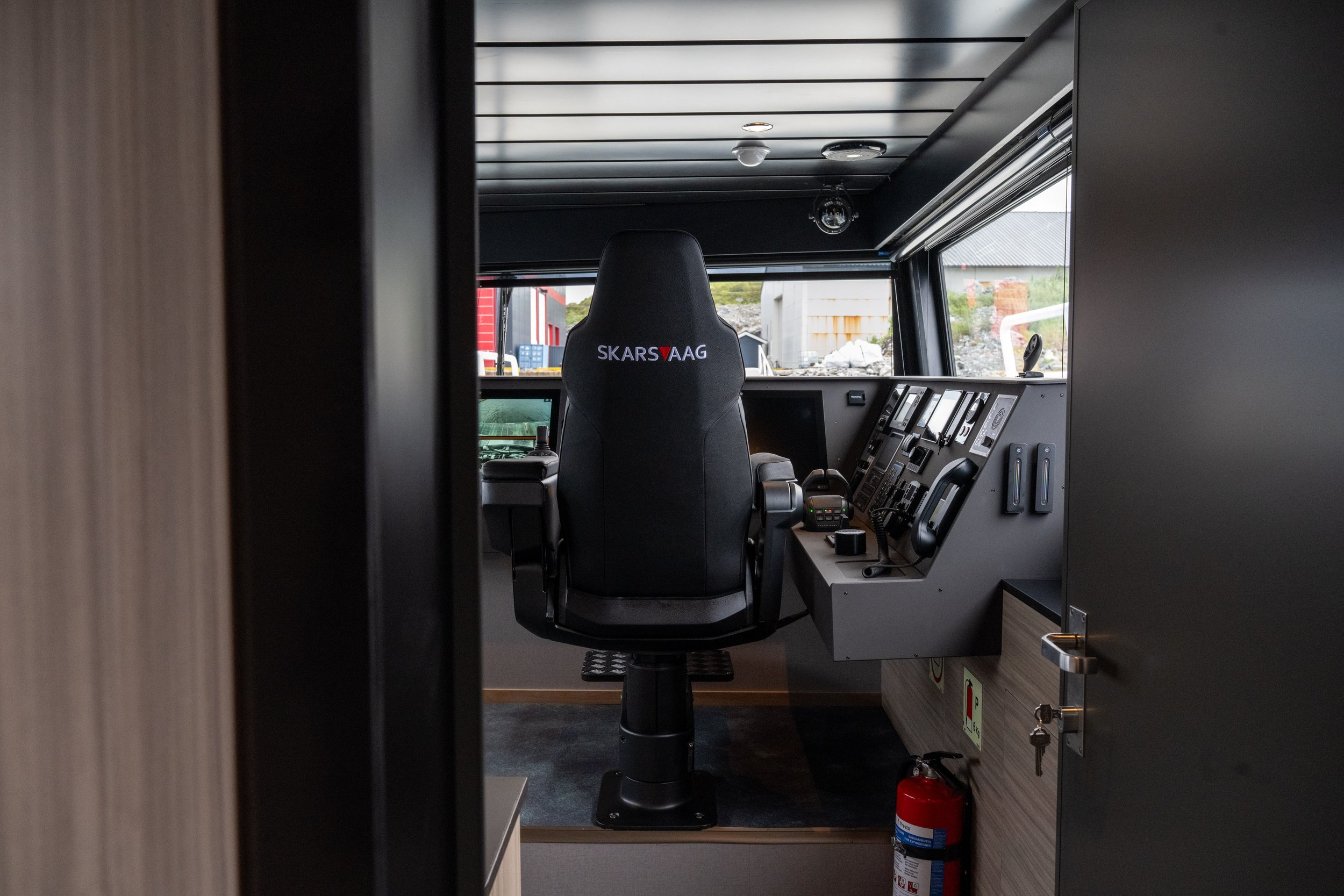
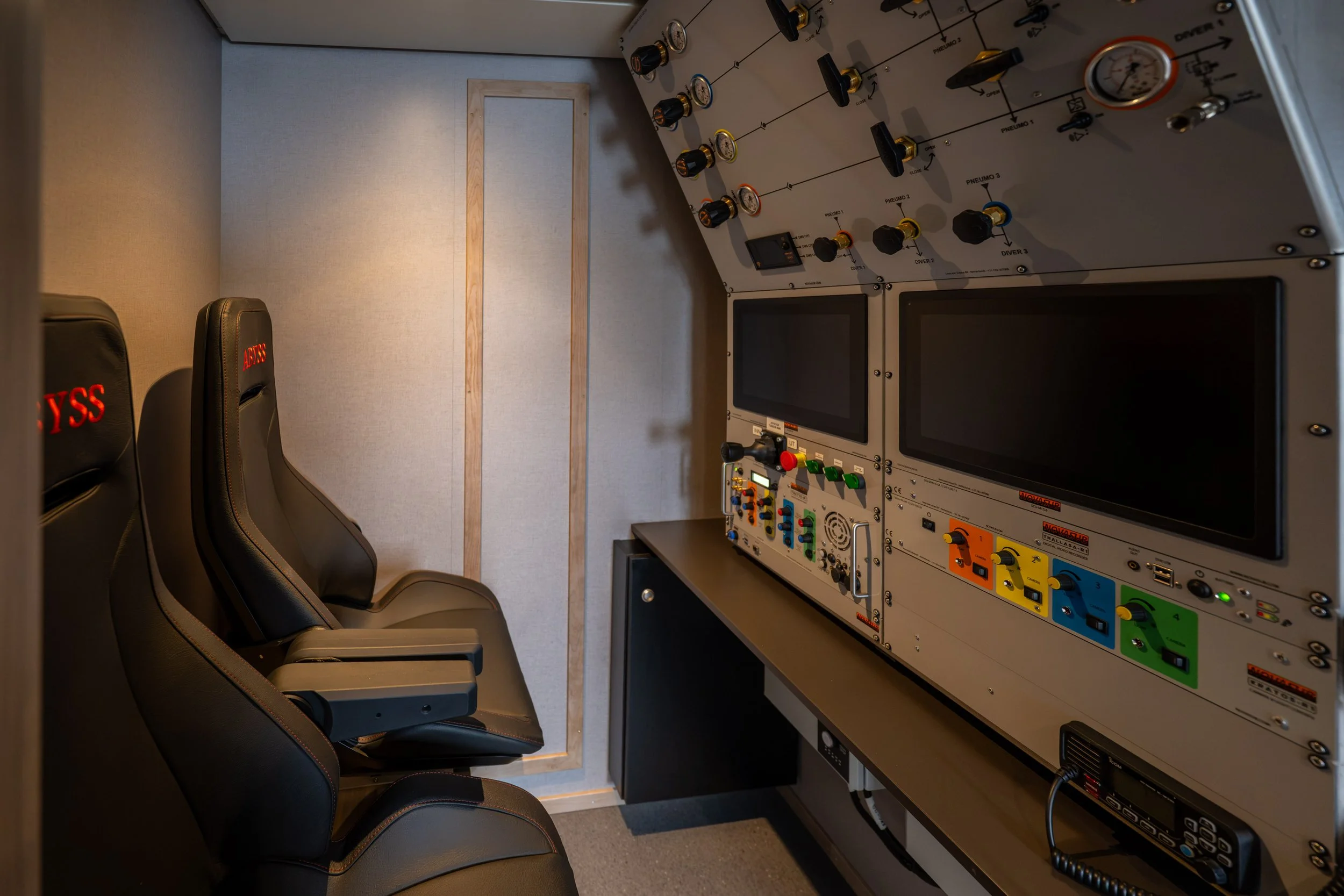
Streamlined layout: The dive room, control station, and deck sit close together for easy communication. Crucially, it is built specifically for aquaculture and diving from day one, instead of adapting an old boat.
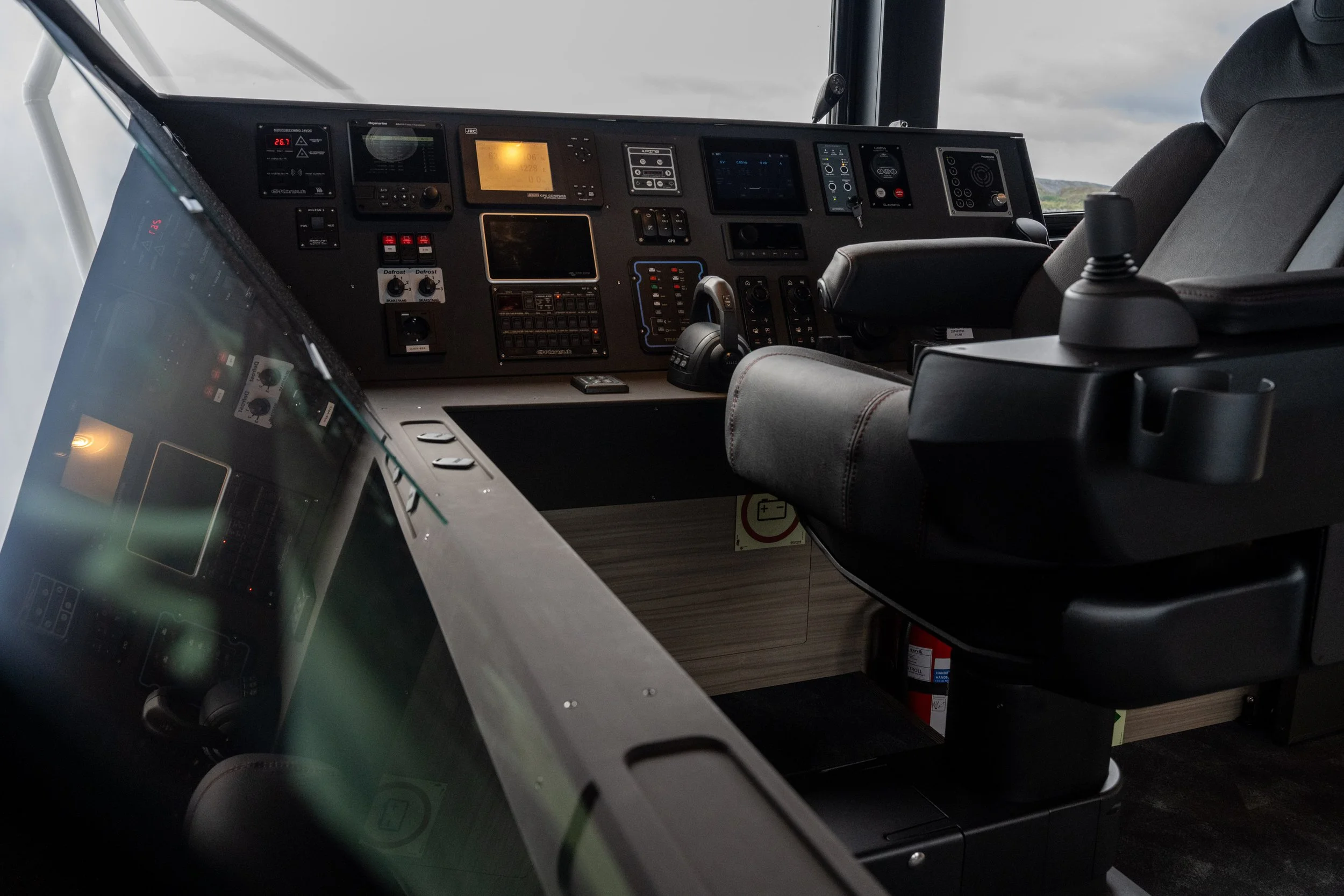
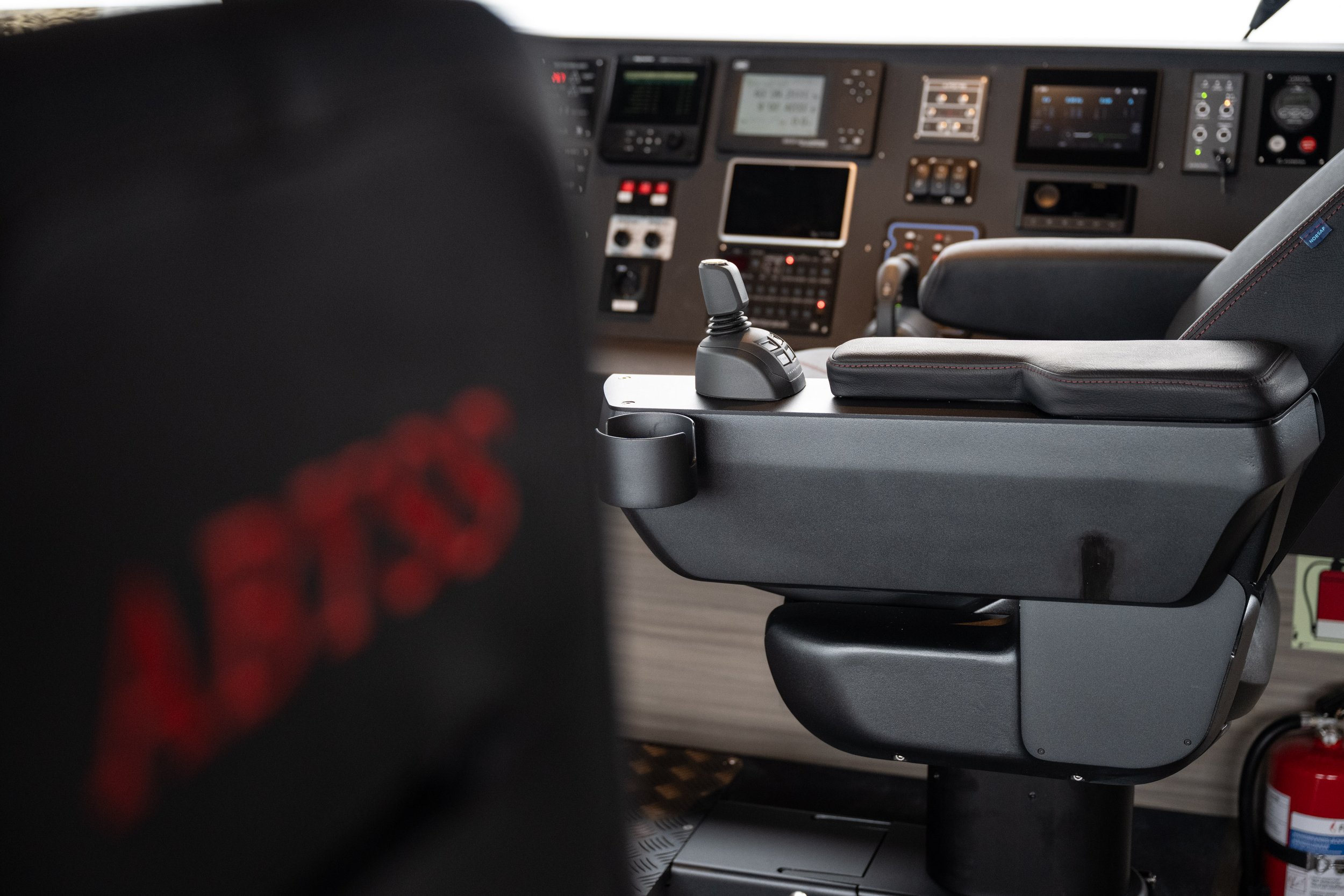
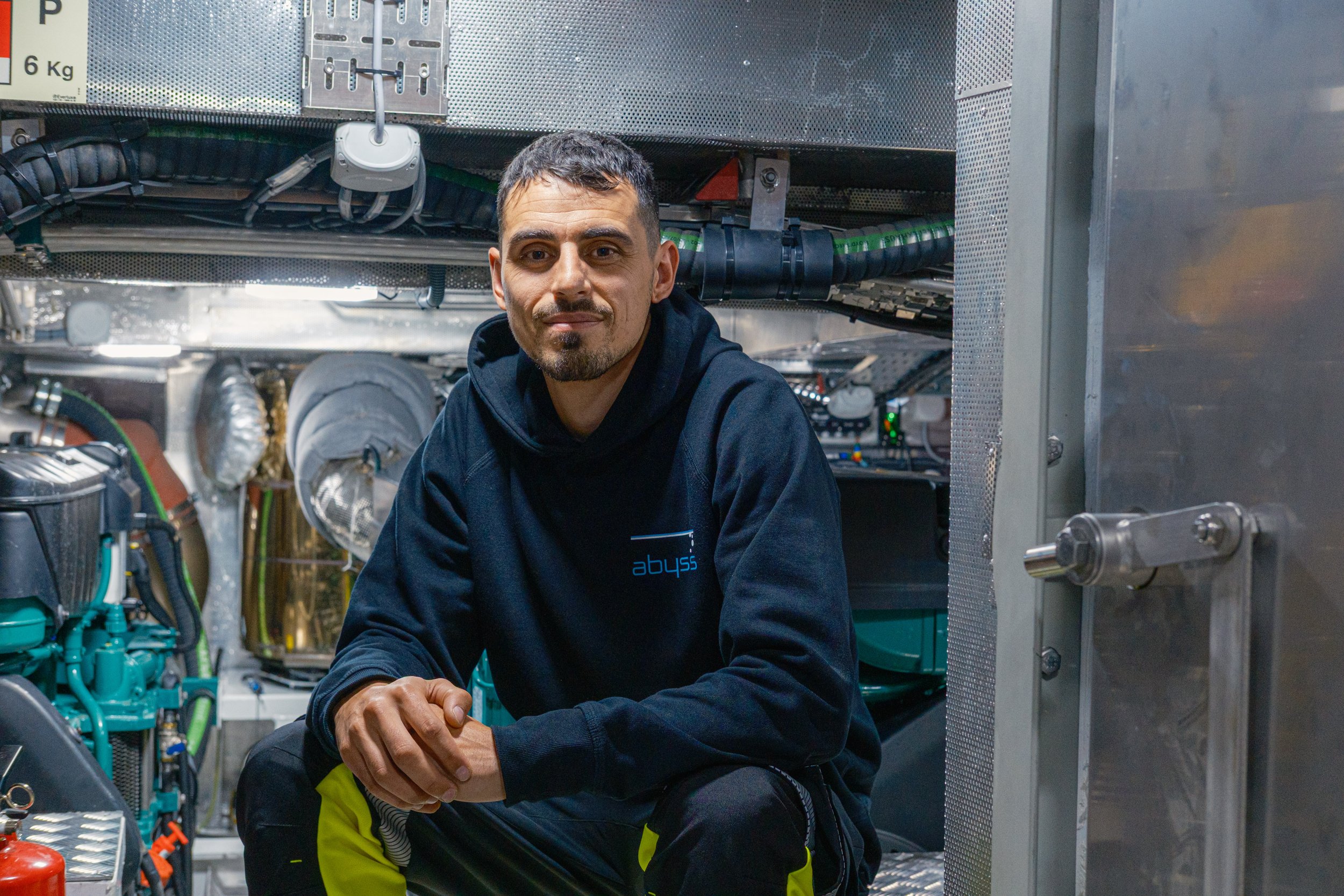
Precision and energy efficiency: A twin Volvo Penta IPS installation and dynamic positioning (DP) provide a highly stable platform that handles great and rides comfortably at sea. When the workday ends, all engines can be completely shut down. The vessel then runs entirely on a robust onboard battery bank through the night, managing all hotel loads and providing a completely quiet, zero-emission resting environment for the crew.
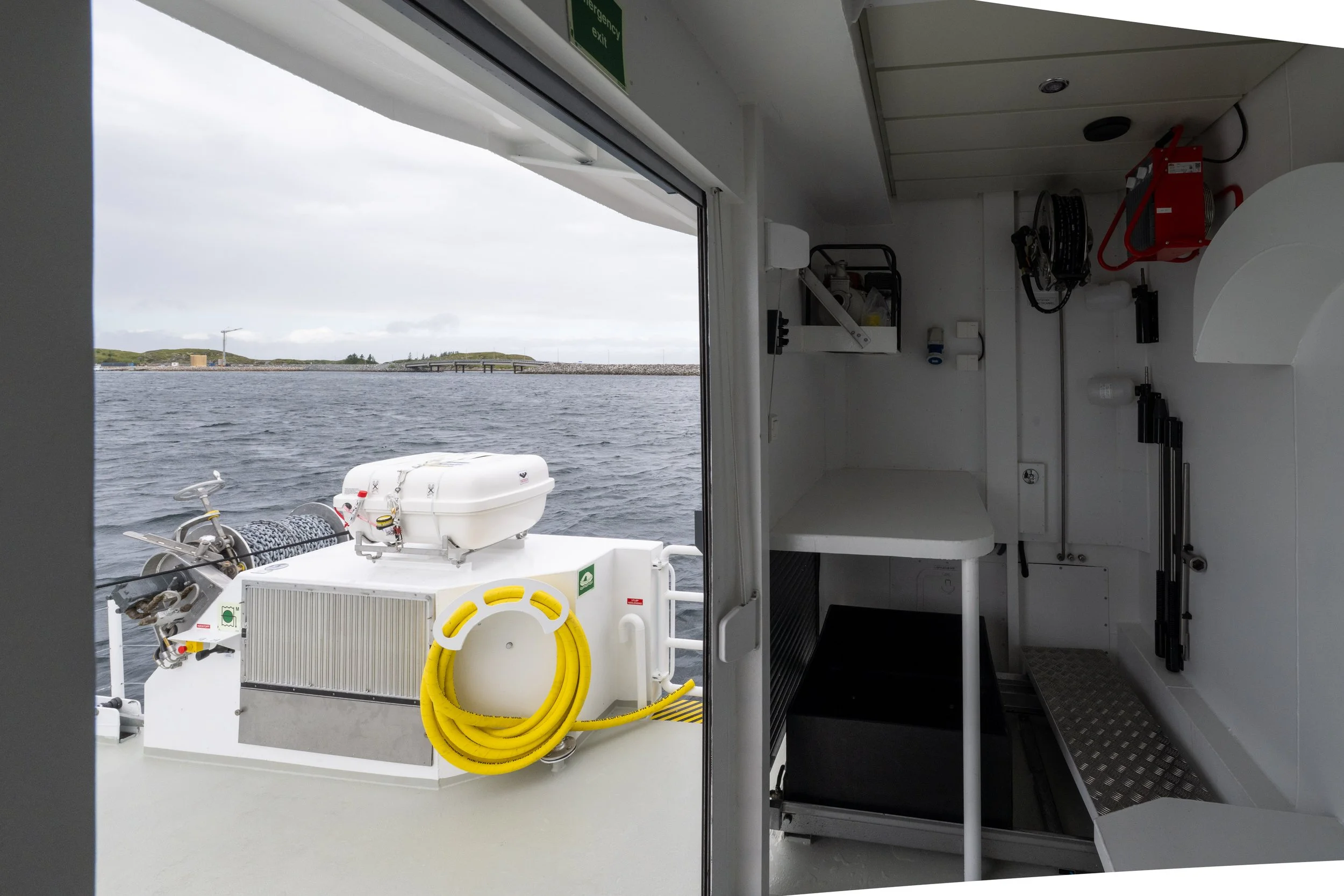
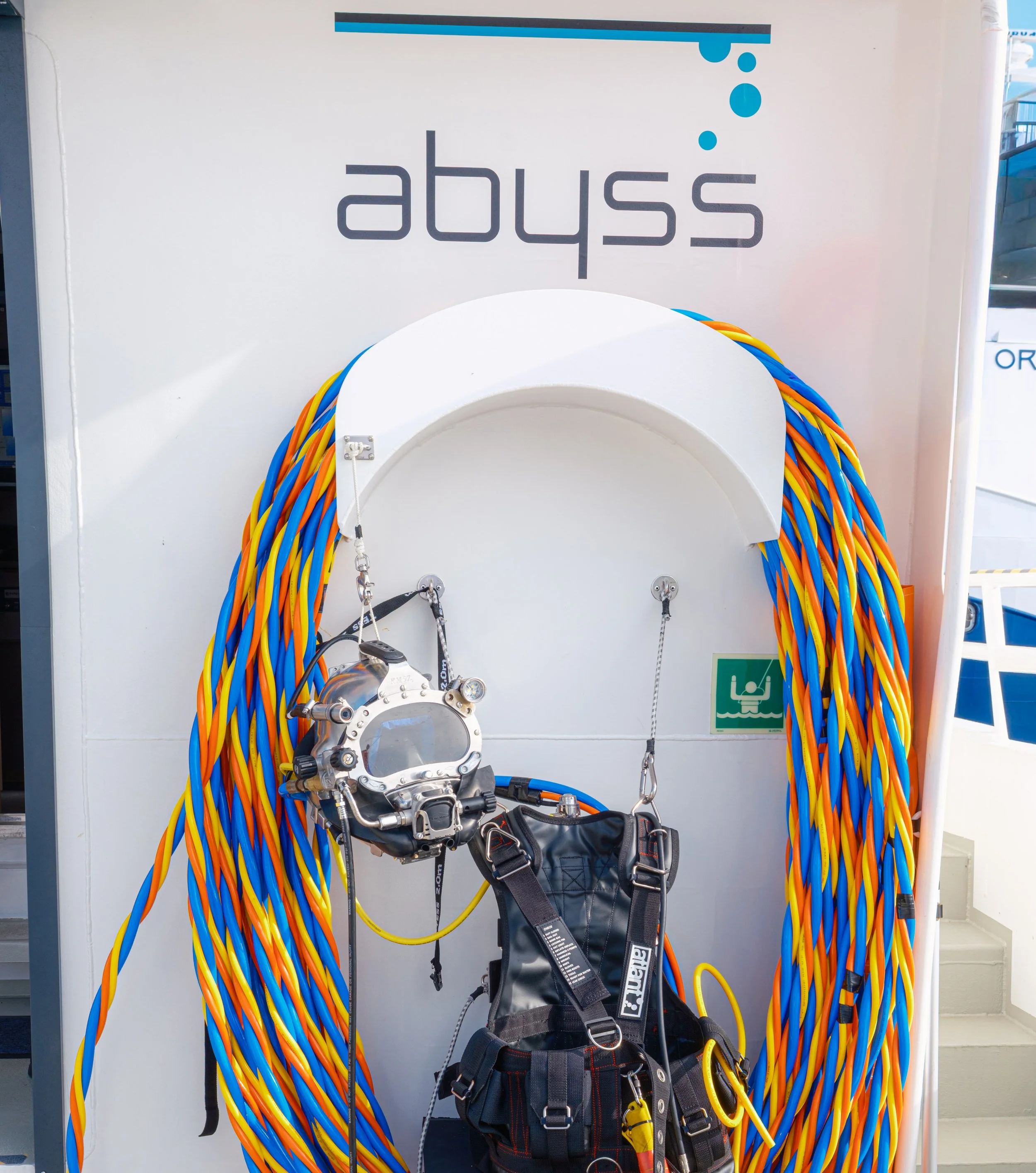
Maximized safety on site: The specialized dive platform features removable railings and an integrated rescue net designed to safely retrieve unconscious individuals from the water. Safety is further enhanced by a comprehensive camera system: A thermal camera enables safe navigation in pitch darkness—effectively turning night into day—which is crucial for search and rescue operations. Additionally, surveillance cameras on the starboard aft deck give the navigator precise visual control when docking at fish cages or quays, while dedicated engine room cameras immediately detect any leaks or early signs of fire.
The Client's Verdict on the Build Process
«The purchasing process was excellent. The best part of buying a boat from Skarsvaag was the close collaboration during the design and build phase. We experienced great follow-up, a solution-oriented approach, and the final vessel delivers superb quality and capabilities.»
«When maritime experience, close dialogue with the client, and the expertise of the boat builders come together, we create world-class solutions. Fosna Neptune demonstrates what is possible when a dedicated team pulls in the same direction.»
Interior as an operational advantage: From steel to home
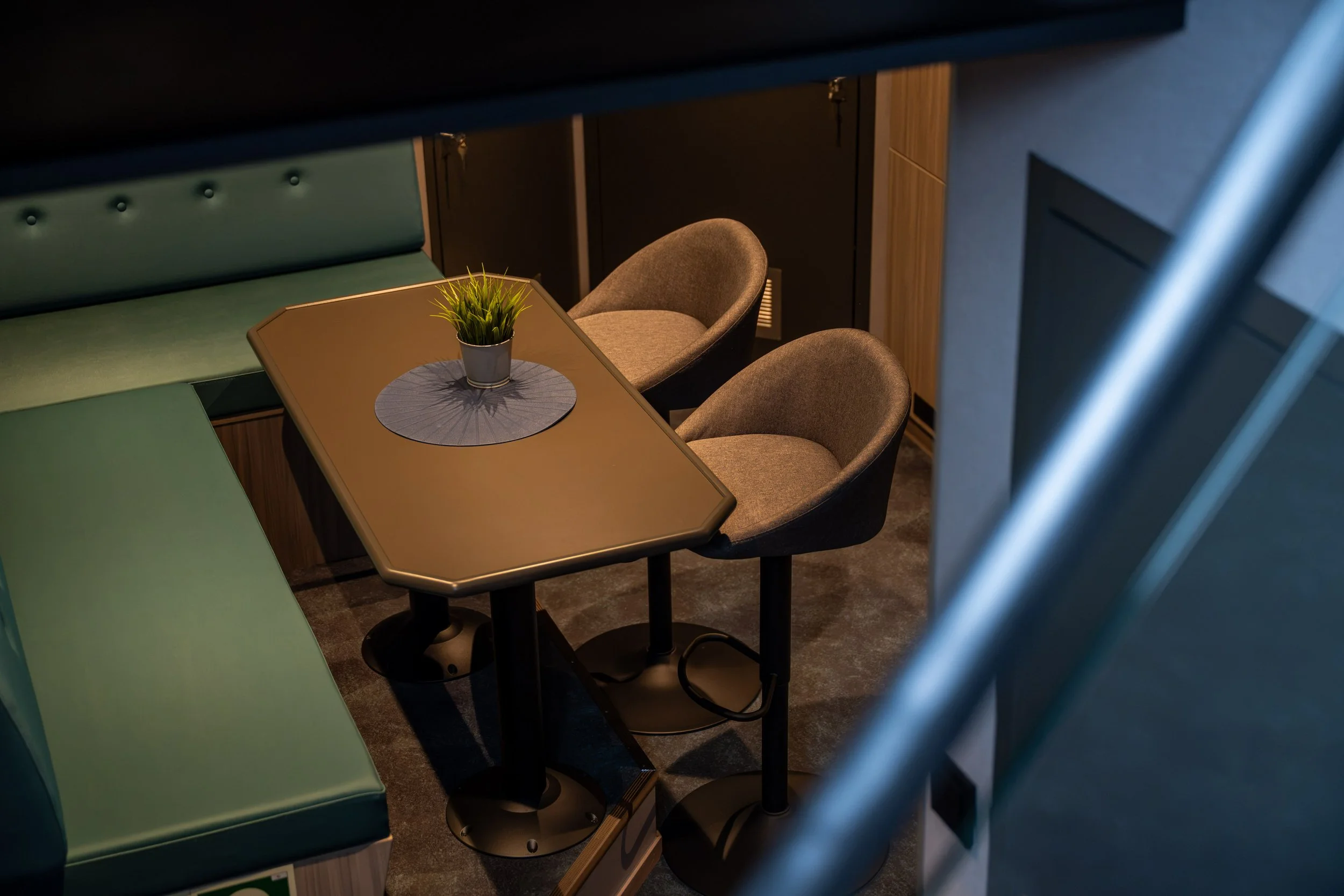
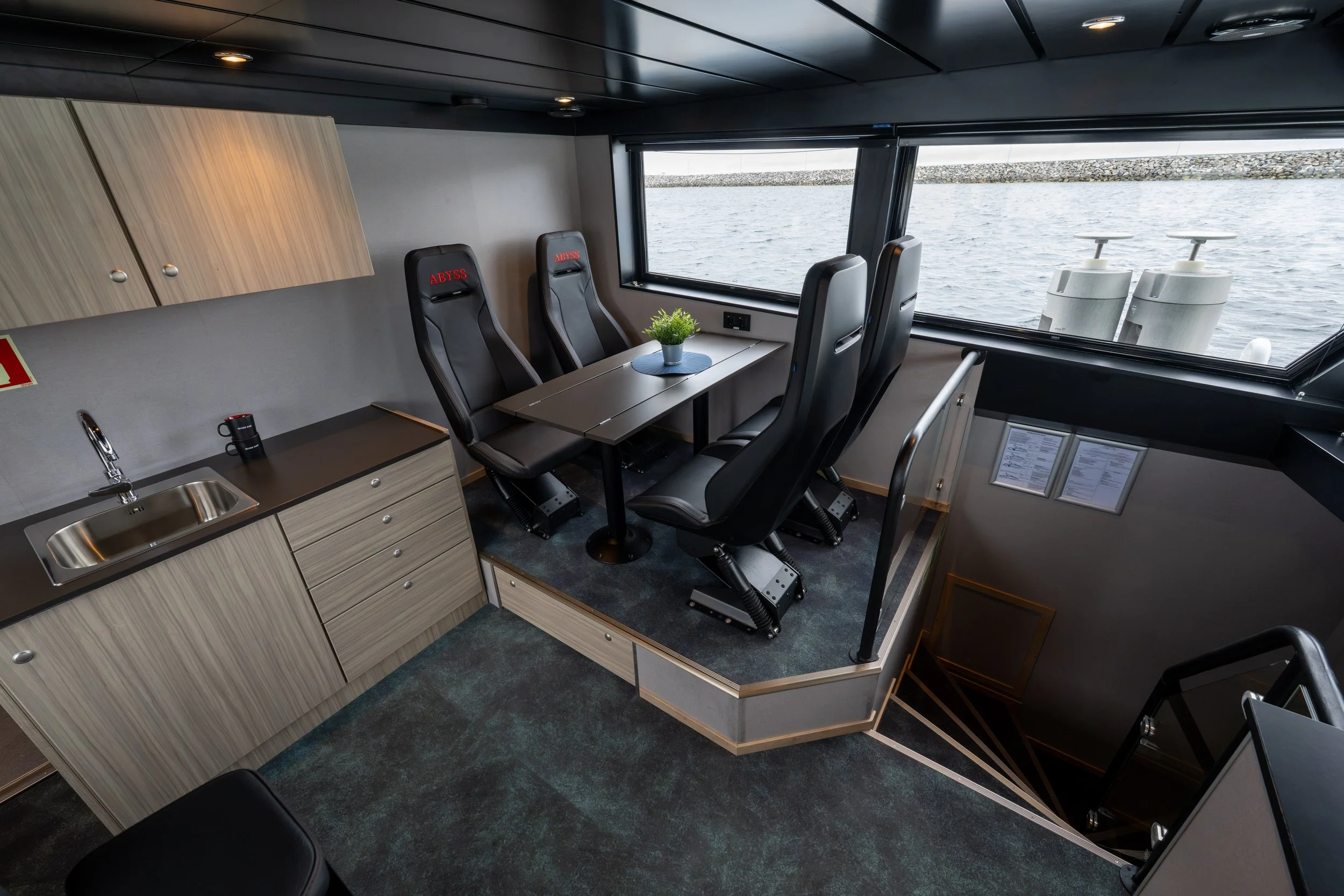
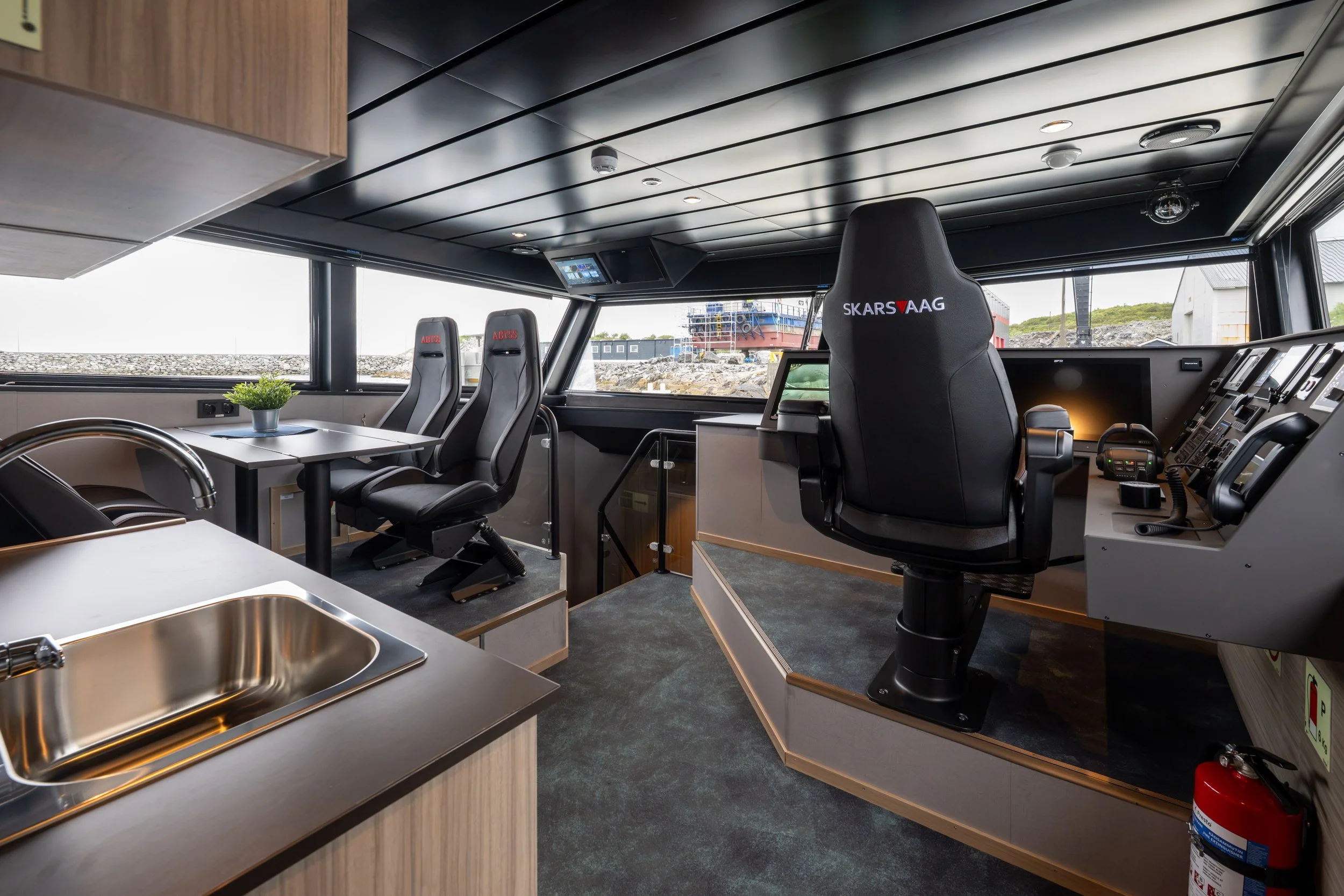
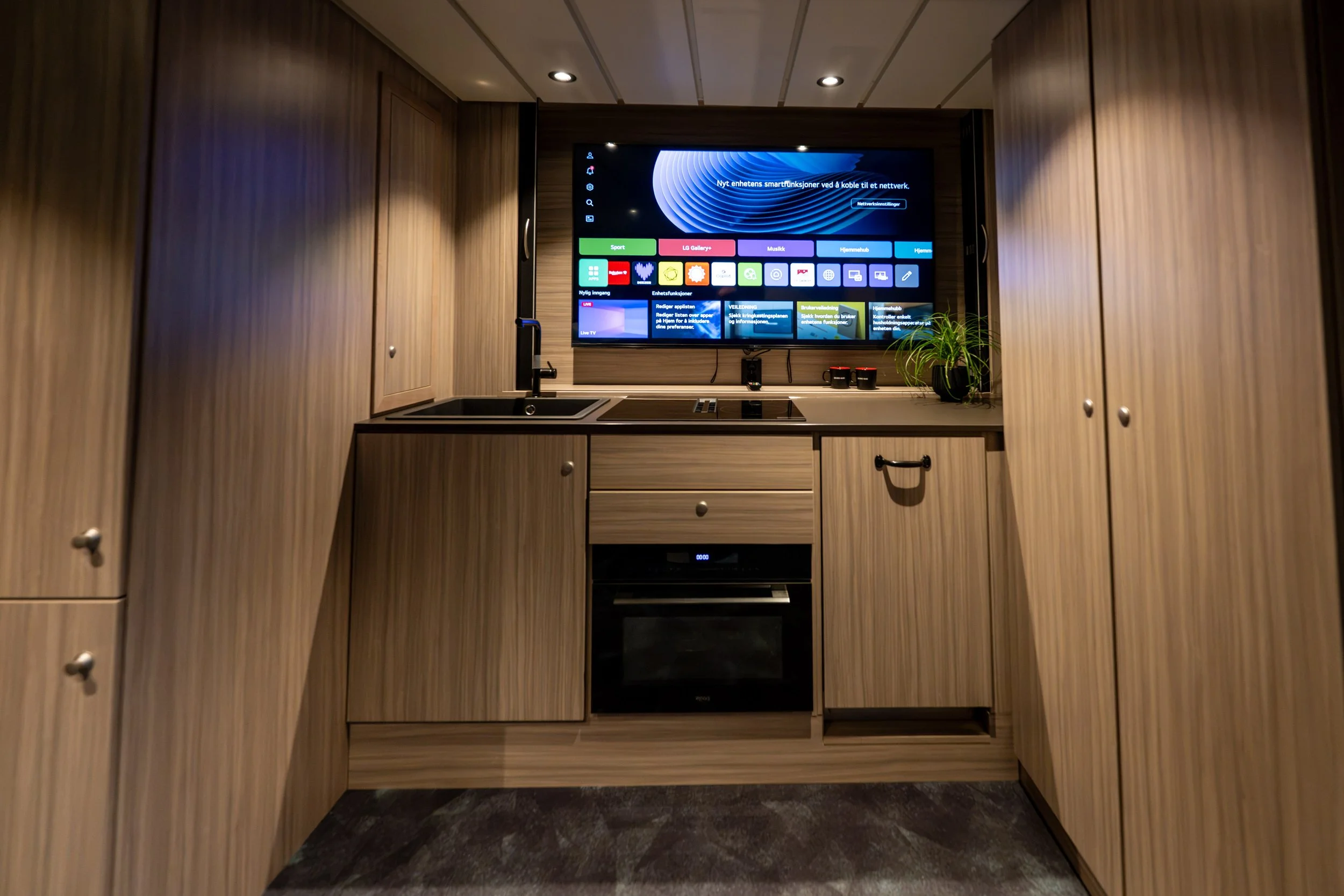
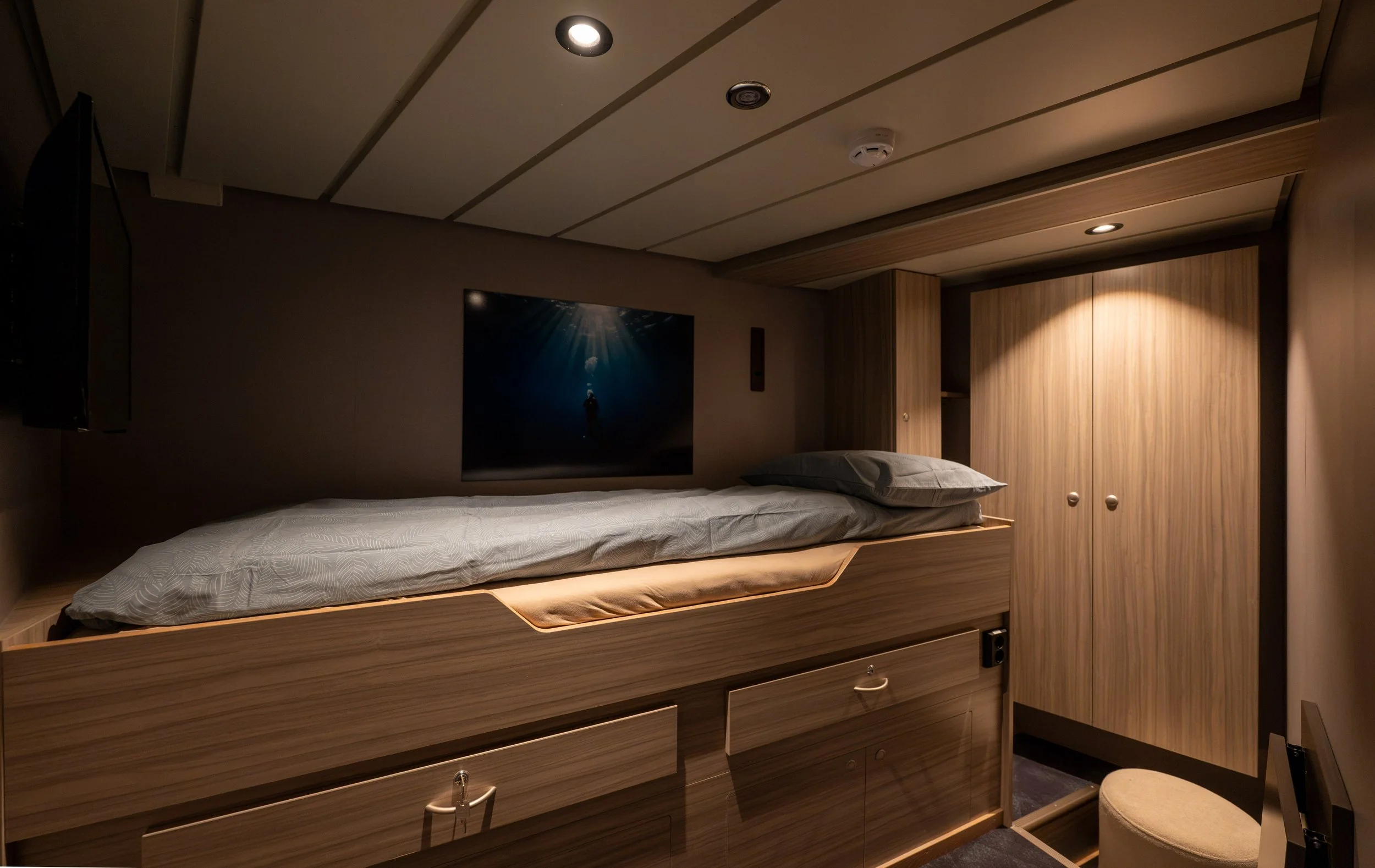
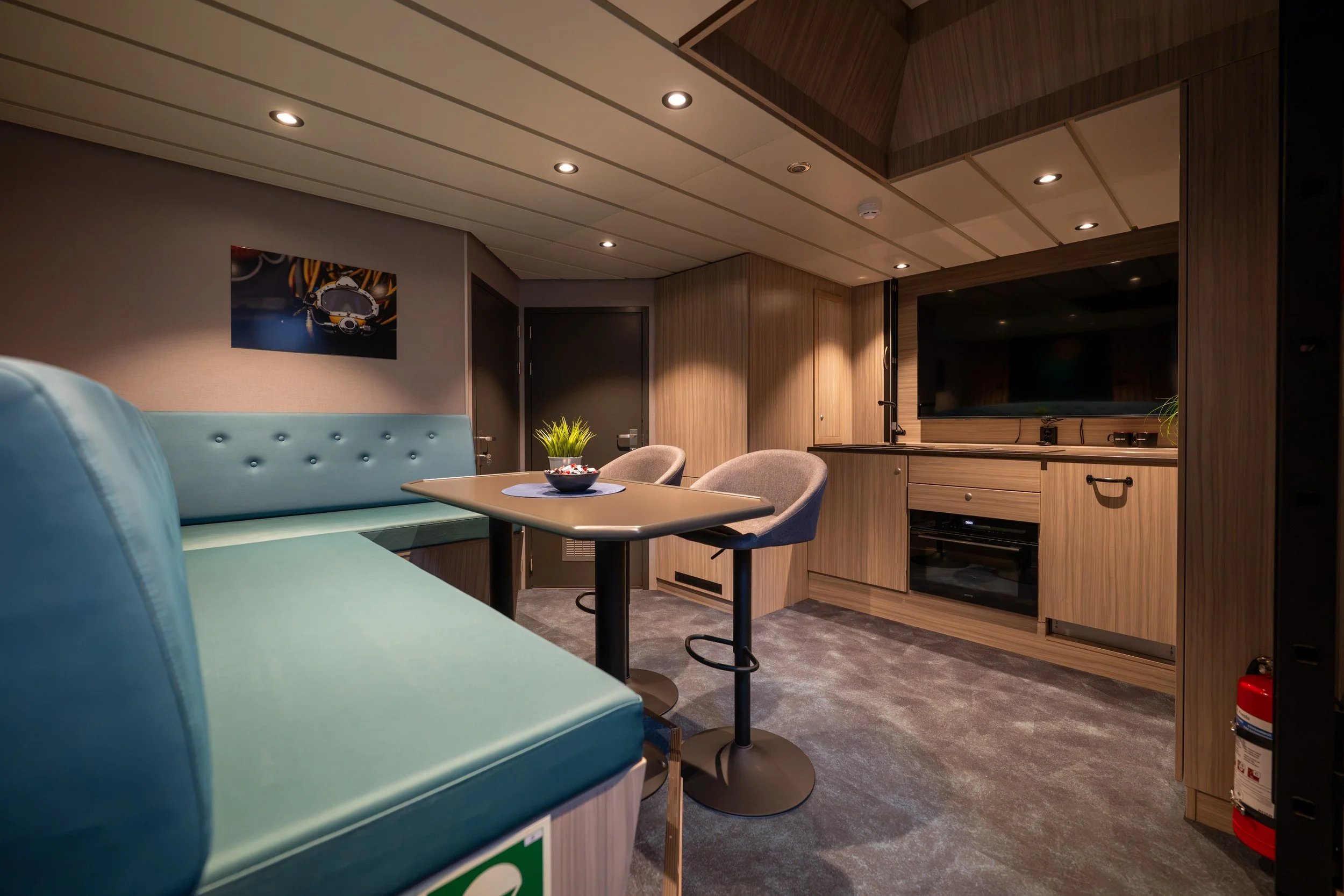
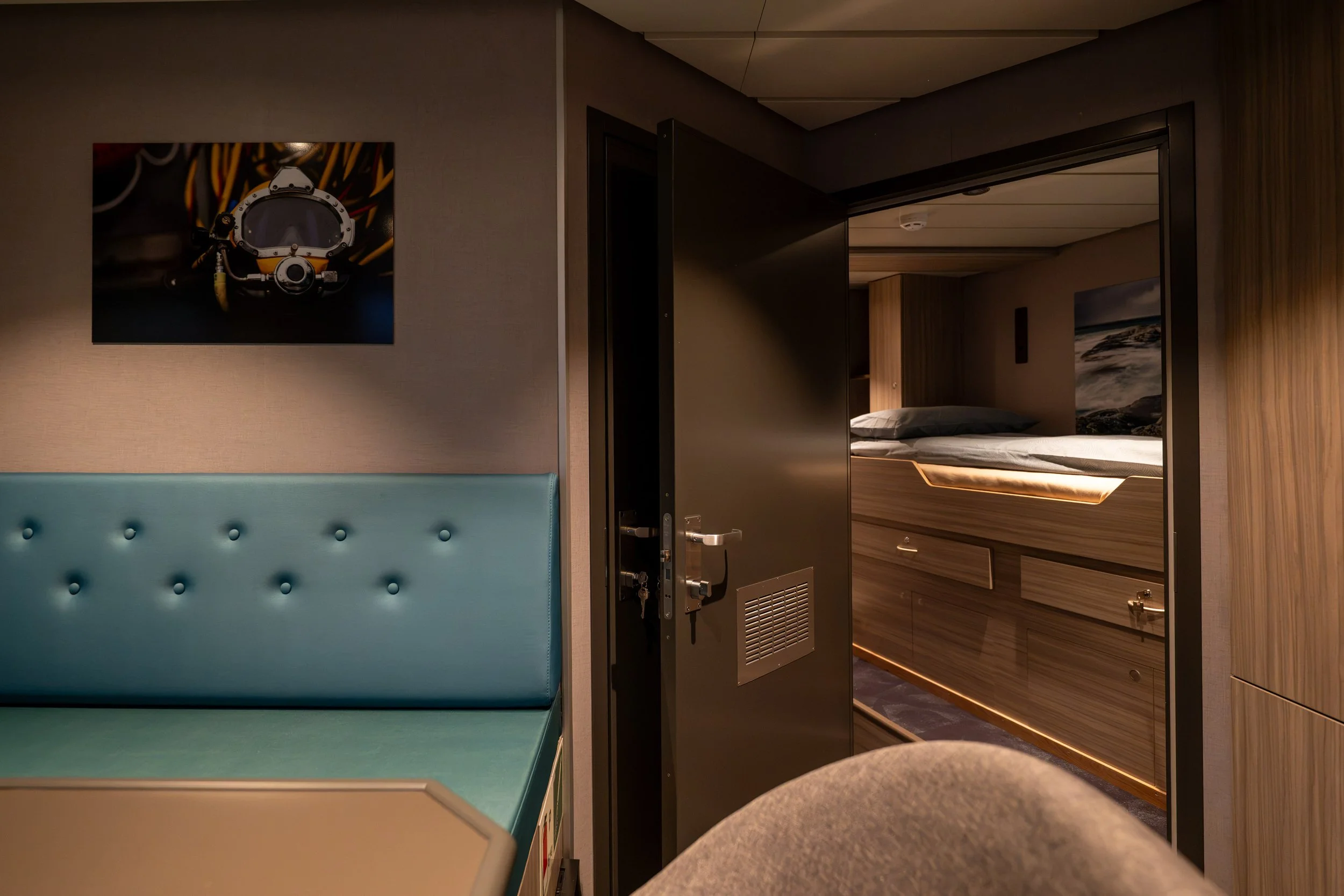
For a crew spending days and weeks on end at sea, interior design is a critical tool for HSE and recovery. While the working deck of Fosna Neptune is strictly dedicated to heavy diving operations, the inside is designed to be a warm and sheltered sanctuary.
To ensure this balance, Skarsvaag collaborates closely with interior architect Åshild von Lantz from Lantz arkitekter nordic as to translate the shipowner's needs into holistic interior choices that withstand rough use, reduce stress, and create genuine well-being on board.
Deliberate material choices: Durable, tactile surfaces dampen noise and provide a warm, home-like atmosphere.
Ergonomics and flow: From the galley layout to the placement of common areas—everything is optimized by von Lantz to allow the crew to fully disconnect.
Proven impact: The operational benefit is evident. As the client notes: "The boat is quiet, warm, and comfortable, which really helps keep the crew from getting worn out."
The Result: Applied HSE strengthens lifetime economics
Operational experience shows that the concept delivers exactly what was promised on the drawing board:
From skepticism to enthusiasm: The skipper of Fosna Neptune was initially skeptical when first seeing the drawings, as the boat seemed highly compact on paper. After the initial period in active service, the experience is completely different: Feedback from the skipper and crew is overwhelmingly positive regarding seakeeping, spatial feel, and the working environment.
Recovery that ensures safety: When the workday is over, the crew can cook together, relax in the lounge area with streaming services and games, or retreat to their own cabins for undisturbed rest. A well-rested crew avoiding three plus three hours of transit in rough seas morning and evening is optimally equipped to execute demanding diving operations safely.
Reduced transit & OPEX
When the vessel remains in the operational area, hours of unnecessary sea transit are replaced by pure production time and lower overall fuel consumption.
HSE as a capacity
Private cabins, noise insulation below 70 dB, and proper living conditions ensure recovery. The crew experiences better working conditions, which directly reduces risk in demanding missions.
Close shipyard collaboration
From the first sketch to the fully built vessel, the lines of communication were short between the owner, designers, and the shipyard on Hitra. This ensured a custom-fitted vessel delivered exactly to specification.